Personal data consentPrivacy policyCookie policySole proprietor Yu. E. Peklich, PSRNIE 320237500078157© 2025 MaPbiz Group. All rights reserved
An AI agent is a software system that does more than generate an answer: it performs a controlled sequence of actions toward a defined result. It receives context, selects tools, checks intermediate output and hands critical decisions to a person.
Businesses benefit from specialized agents with limited permissions, clear metrics and built-in control—not from a fictional universal digital employee.

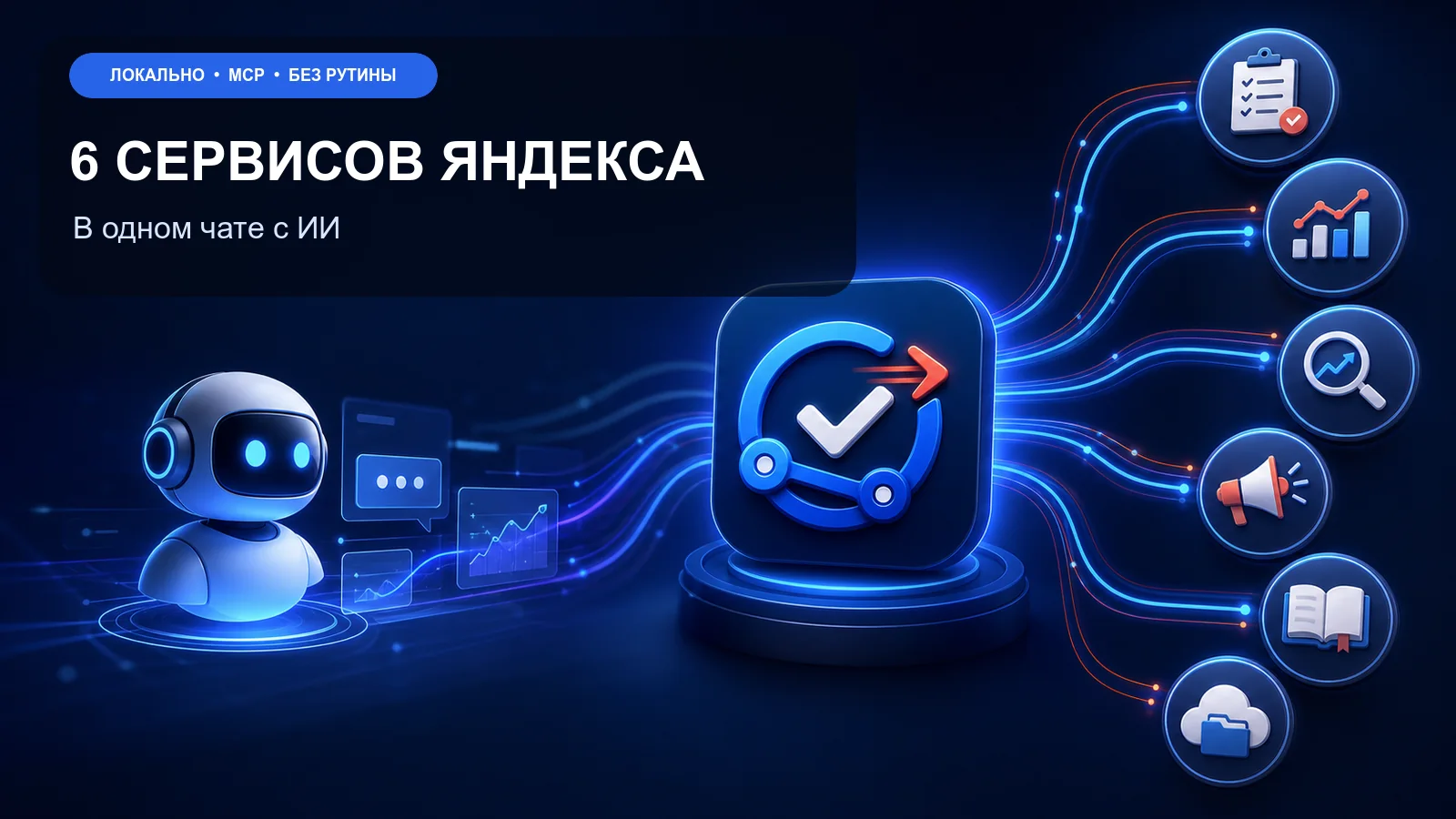
A chatbot responds within a conversation. An assistant helps a person prepare an output. An agent can also plan steps and call approved tools such as CRM, a knowledge base, a website, email, analytics or internal APIs.
More autonomy requires stricter limits, logging and testing. If knowledge retrieval solves the problem, an autonomous agent is unnecessary.
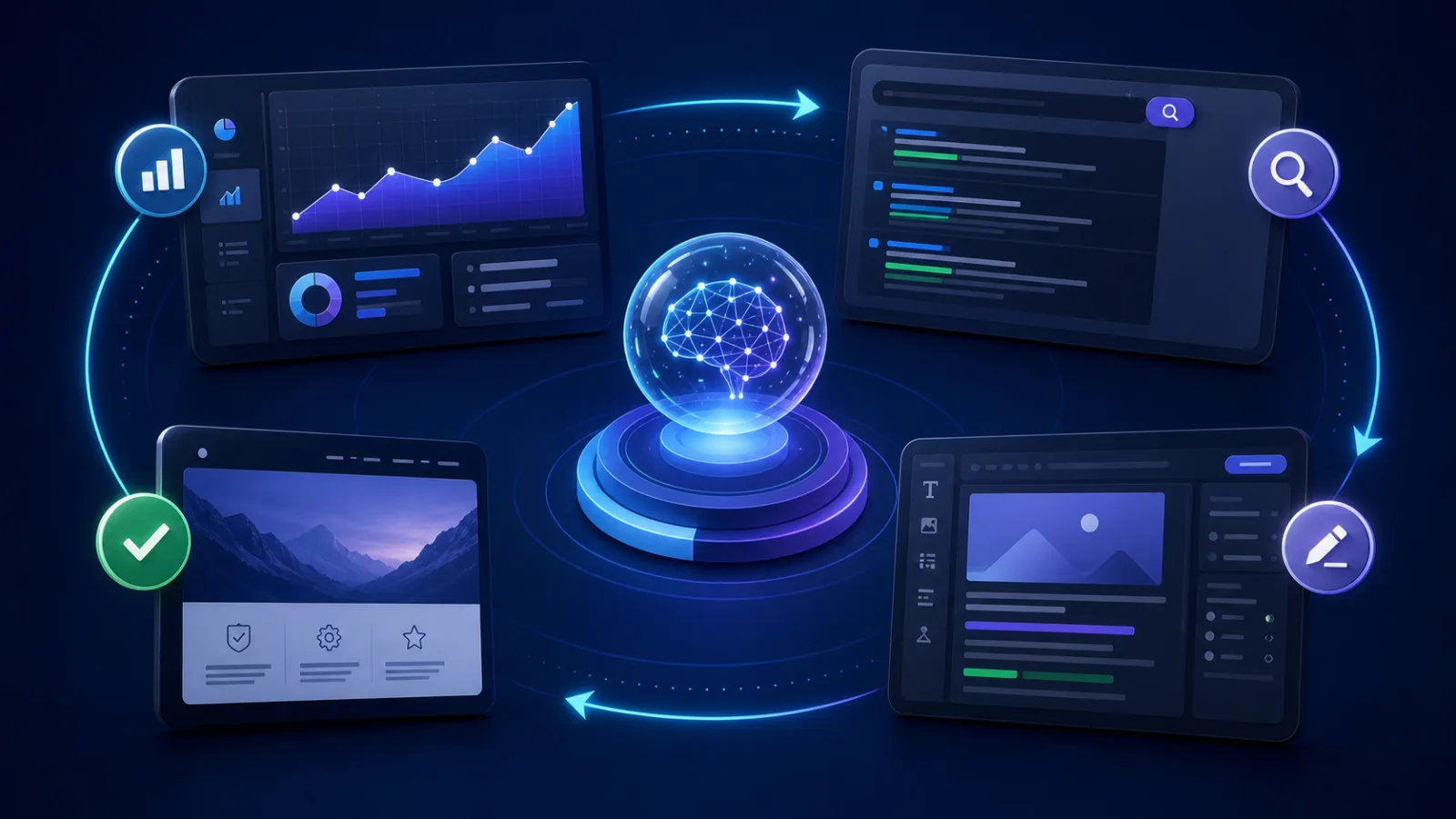
A production architecture combines a model, system instructions, context, tools, memory, access policy, observability and error handling. The model is only one component.
Agents often pay back where people spend time collecting context across systems: meeting preparation, intake review, project-status control, content updates and recurring reports.
See the dedicated AI for sales workflow and the broader AI business automation map.
A poor candidate is a rare, unstable task where errors are irreversible and the result cannot be verified.
Build an evaluation set from normal cases, edge cases and deliberately difficult requests. Define the expected route, acceptable output and forbidden action for each one.
Measure execution cost, latency, manual correction rate and successful completion—not response quality alone.
The deliverable includes architecture, permissions, evaluations, logs, documentation and an accountable owner—not merely code and a prompt.
MaPbiz designs agents as parts of digital systems rather than isolated experiments. Discuss an AI agent project →





Together we will define the budget and timeline. You came for a digital product — and received a brand strategy.
Next page: